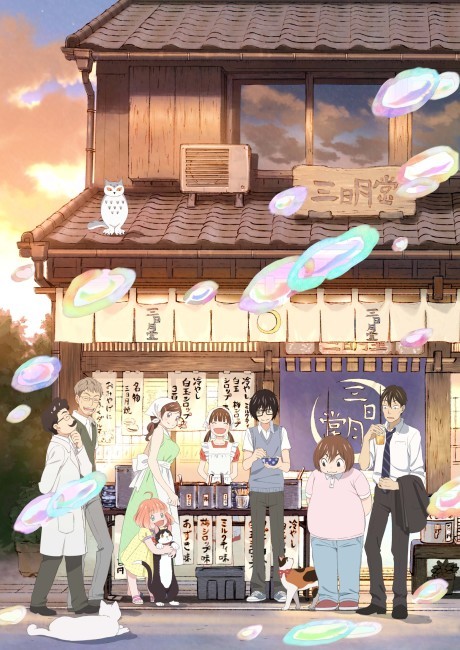
3-gatsu no Lion 2nd Season
2017
Favorite Anime
The conclusion that made every conversation, every digression, every oddity worth it.
2017
2022
2000
2021
2024

2024
2010
2022
2025
2018
2022
2010
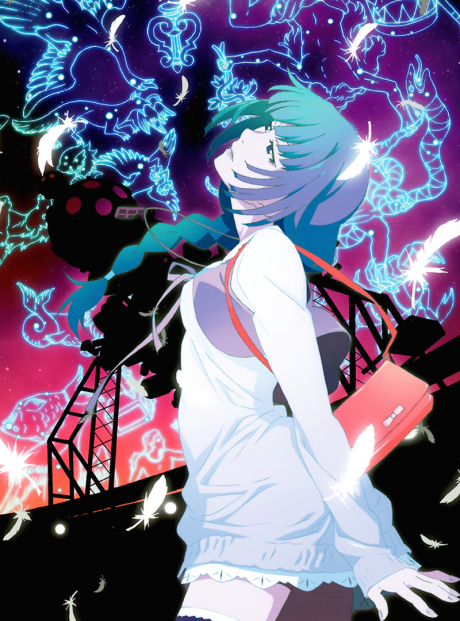
The Monogatari Series is a labyrinth of words, visual metaphors, and emotional vulnerability — and Owarimonogatari (Ge) is the chamber at its heart where everything converges. Shaft’s direction reaches transcendent heights here, turning every tilt of a head, every flash of color, into a language all its own. The dialogue-heavy brilliance that defined the series doesn’t just conclude; it blossoms into something profoundly moving.
What makes this finale a masterpiece isn’t just the narrative payoff — though watching every thread woven across years of storytelling come together is electrifying. It’s the emotional clarity. Araragi’s journey from a self-destructive altruist to someone who genuinely understands what it means to live for himself hits with the force of revelation. The conversations here carry the weight of every digression, every oddity, every supernatural encounter that came before.
Seven episodes. That’s all it takes to remind you why you fell in love with this series. The visual storytelling is Shaft at their most expressive, the score wraps around you like a warm blanket, and the final moments leave you sitting in silence, grateful for every word.
3-gatsu no Lion’s second season elevates an already remarkable series into something sacred. The bullying arc alone is one of the most emotionally devastating and ultimately cathartic arcs in all of anime — Shaft renders it with a visual intensity that makes you feel every ounce of Hinata’s pain and Rei’s desperate determination to help.
But this season is so much more than one arc. It’s about how people carry each other through the darkest moments, how kindness isn’t weakness but the most radical act of courage. The Kawamoto sisters become the emotional backbone of the entire series, and every meal shared at their table feels like coming home.
The shogi matches burn with newfound purpose because we understand what Rei is fighting for now. Every victory, every setback, resonates because the show treats its characters with extraordinary tenderness. This is anime at its most humane.
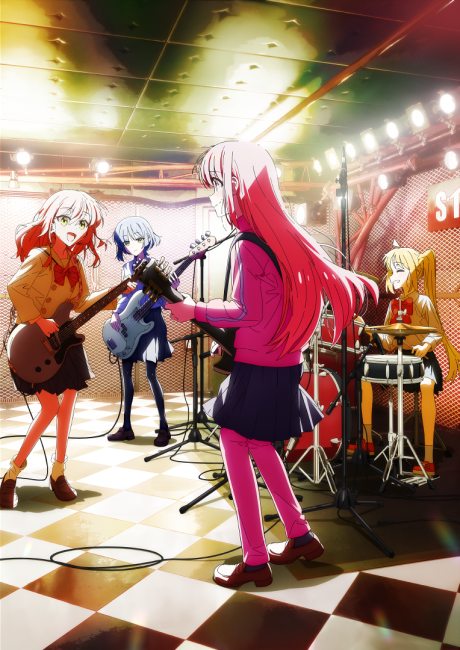
Bocchi the Rock! shouldn’t work this well. A show about a socially anxious guitarist joining a band sounds like standard slice-of-life fare, but CloverWorks turned it into a visual rollercoaster that redefines what a music anime can be. Every episode experiments with animation styles — from watercolor sequences to stop-motion to full-blown abstract art — and it never feels gimmicky because it’s always in service of Bocchi’s emotional reality.
The comedy is relentless and inventive, but what elevates this beyond mere laughs is the genuine warmth at its core. Watching Bocchi slowly — painfully, hilariously, beautifully — learn to connect with people through music is one of the most rewarding character arcs in recent memory. The band dynamics feel real, the friendships feel earned, and by the time that final performance hits, you’re not just watching an anime — you’re in the crowd, cheering.
The music absolutely slaps, too. Every track is a banger crafted with care, and the way performances are animated makes you feel the vibrations in your chest.
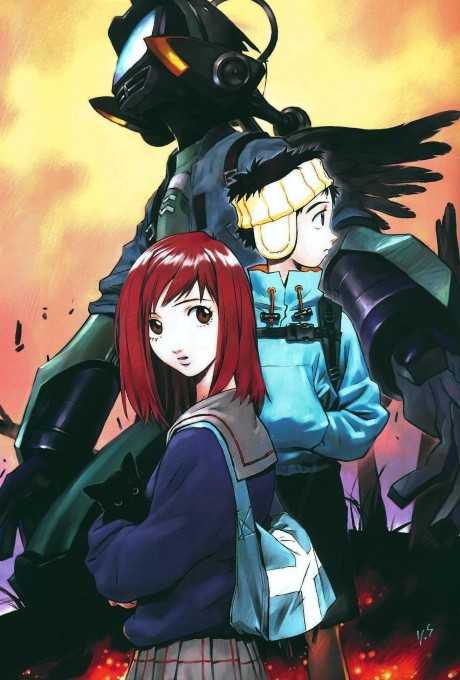
FLCL is a supernova compressed into six episodes. Gainax at the peak of their powers created something that defies categorization — it’s a coming-of-age story, a mecha show, a rock album, a fever dream, and a meditation on growing up, all smashed together with the energy of a Vespa crashing through a wall. Nothing before or since has captured the raw, confused electricity of adolescence quite like this.
The Pillows’ soundtrack isn’t just music — it’s the lifeblood of the show. Every guitar riff fuels the animation, and the animation responds with some of the most creative, boundary-pushing sequences ever committed to cel. The show shifts between manga panels, watercolor sketches, and full-throttle action with the confidence of something that knows exactly what it is, even when you don’t.
Underneath all the chaos is a genuinely tender story about a kid navigating feelings too big for his world. Every rewatch reveals new layers, new meanings, new reasons to love it. FLCL is anime distilled to its purest, most exhilarating essence.
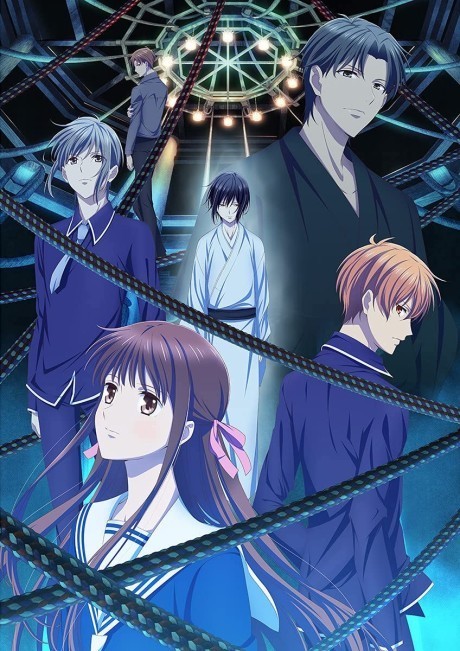
Fruits Basket: The Final is what happens when a story that has been patiently, lovingly building for sixty-plus episodes finally opens all the doors. Every character arc reaches its crescendo — decades of pain, generational trauma, and the quiet hope that love might actually be enough to break the cycle. It’s devastating and healing in equal measure.
The curse-breaking moments hit like emotional earthquakes not because of spectacle, but because we’ve spent so long understanding exactly what these characters have endured. Tohru’s unwavering belief in the goodness of people doesn’t feel naive here — it feels revolutionary. She doesn’t fix anyone; she simply loves them enough that they find the strength to heal themselves.
By the final episode, you’re not just crying — you’re mourning, celebrating, and being reborn alongside these characters. TMS delivered a conclusion worthy of one of the greatest shoujo manga ever written.
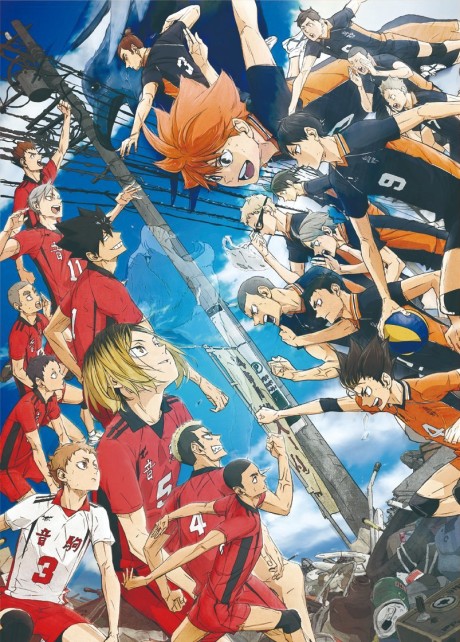
The Dumpster Battle condenses everything magnificent about Haikyuu!! into a single, breathless theatrical experience. Karasuno vs. Nekoma — the destined rivals, the garbage dump showdown — finally gets the stage it deserves, and Production I.G delivers with animation so fluid and dynamic it redefines what sports anime can look like on the big screen.
Every rally is a conversation. Every spike is a declaration. The film understands that the greatest sports stories aren’t about winning — they’re about the connections forged through competition. Kenma’s awakening as a player, the way he finally understands what it means to want something, is one of the most cathartic character moments in the entire franchise.
The pacing is impeccable, the music soars at exactly the right moments, and the emotional payoff of years of rivalry culminating in this single match leaves you breathless. This is peak sports anime — no contest.
Hibike! Euphonium 3 is Kyoto Animation operating at an almost unfathomable level of craft. Every frame is a painting, every performance sequence vibrates with the tension and beauty of live music. As Kumiko takes the mantle of band president, the series transforms into a profound meditation on leadership, ambition, and what it means to pour your soul into something with no guarantee of success.
The ensemble cast shines brighter than ever, with each musician’s personal struggles reflecting the collective yearning for gold. KyoAni’s attention to the physicality of playing — the breathing, the finger movements, the sweat — makes these characters’ passion tangible. You don’t just watch them play; you feel the music moving through them.
The emotional climax is earned through thirteen episodes of meticulous character work, and when it arrives, it doesn’t just conclude a season — it crowns one of the finest anime trilogies ever produced.
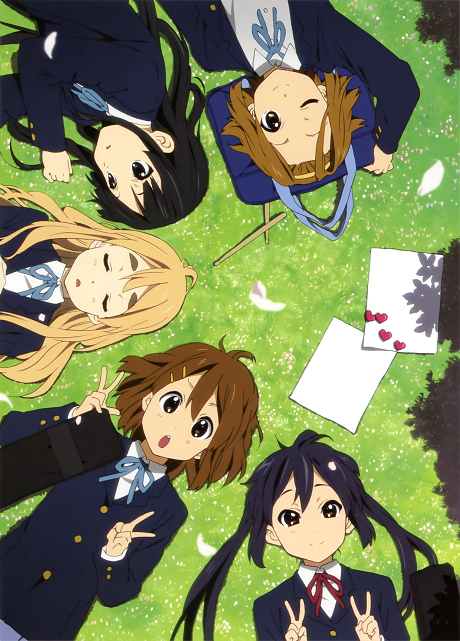
K-ON!! is the definitive slice-of-life anime — a show where five girls drink tea, eat cake, occasionally practice music, and somehow make you feel every shade of joy and bittersweetness that comes with fleeting youth. KyoAni’s animation is impossibly warm and detailed, turning mundane moments into treasures worth preserving.
The genius of K-ON!! is that it understands what truly matters: not the destination, but the time spent together. The second season deepens every relationship, gives every character room to breathe, and slowly builds toward a finale that will leave you in ruins. The graduation arc is one of anime’s most emotionally perfect conclusions — not because anything dramatic happens, but because you realize these ordinary days were the most precious thing all along.
The music is iconic, the comedy is effortless, and the warmth radiating from every episode is enough to get you through the coldest winter nights. K-ON!! doesn’t ask for anything except your time, and it gives back tenfold.
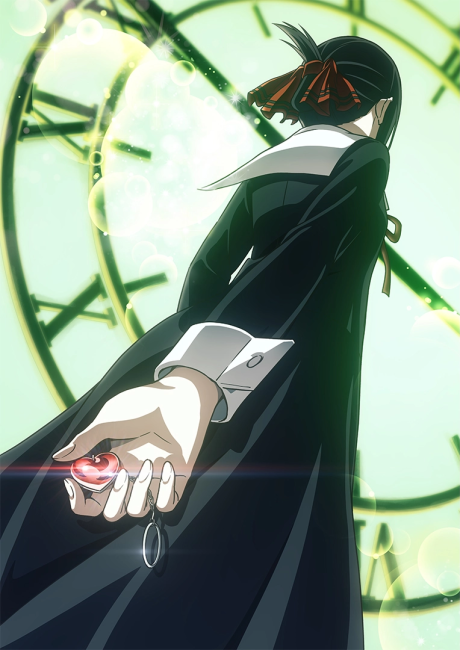
Ultra Romantic is the victory lap of romantic comedy anime. After two seasons of elaborate psychological warfare, Kaguya-sama’s third season strips away the games and reveals the raw, vulnerable hearts beating underneath. A-1 Pictures elevates their animation to cinematic heights for the moments that matter most, and every emotional beat lands with precision.
The Christmas arc is a masterclass in building tension, layering comedy with genuine stakes, and delivering a payoff so satisfying it transcends the genre. The confession scene isn’t just a great anime moment — it’s THE great anime moment. The direction, the music, the voice acting — everything aligns into something that feels like a miracle.
But what makes this season truly special is how it honors every character’s growth. The comedy remains razor-sharp, but now it’s underscored by real affection. Every laugh feels warmer because we care so deeply about these ridiculous, lovable people.
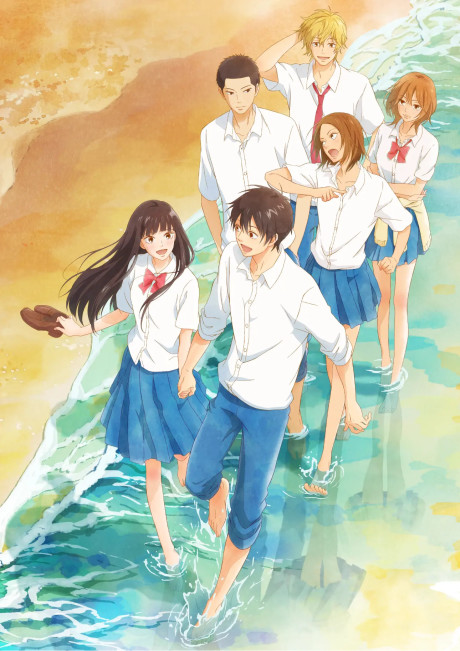
Kimi ni Todoke’s third season is a gentle miracle — a return to one of shoujo’s most beloved romances, now rendered with the visual polish and emotional maturity that only Production I.G could bring. In just five episodes, it covers some of the manga’s most tender and pivotal moments with a delicacy that makes every blush, every hesitant hand-hold, feel monumental.
Sawako and Kazehaya’s relationship has always been built on patience and sincerity, and this season honors that completely. There’s no manufactured drama, no cheap misunderstandings — just two people learning to be honest about their feelings with the kind of warmth that makes your heart physically ache.
The art direction is gorgeous, bathing everything in soft light and cherry blossoms, and the pacing allows every emotional beat to breathe. It’s a reminder that the quietest love stories can be the most powerful.
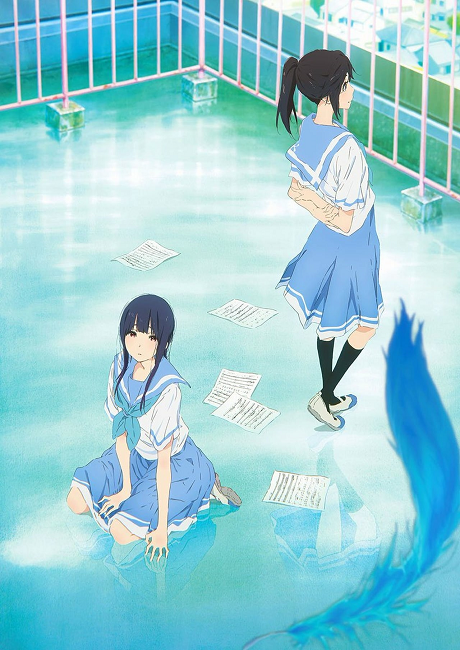
Liz to Aoi Tori is Naoko Yamada’s most intimate work — a film so gentle it feels like it might dissolve if you hold it too tightly. Set in the Hibike! Euphonium universe, it tells the story of Mizore and Nozomi’s complex friendship through the lens of a fairy tale, and the result is one of the most quietly devastating films in anime history.
KyoAni’s animation here is unlike anything else in their catalog. The character designs are softer, the color palette more muted, and every gesture — a glance, a footstep, the way light falls through a window — carries enormous emotional weight. Yamada’s direction finds poetry in the smallest movements, turning the act of playing a duet into a profound expression of love and letting go.
The climactic performance, where music becomes the unspoken truth between two people, is one of anime’s most beautiful sequences. It doesn’t need explosions or dramatic revelations — just two musicians, one piece of music, and the vast, aching space between them.
Mob Psycho 100 III takes one of anime’s most lovable protagonists and gives him the conclusion he deserves — one that’s simultaneously explosive and deeply tender. Bones pulls out every animation trick in the book for the action sequences, but the real fireworks are in the quiet moments where Mob finally confronts the parts of himself he’s been running from.
The final arc is a masterwork of thematic storytelling, turning a confession into an apocalyptic emotional reckoning that reframes the entire series. It’s about accepting yourself completely — your weaknesses, your desires, your humanity — and the animation morphs and shifts to reflect every layer of that internal struggle.
What makes this finale transcendent is how it circles back to the show’s core message: that kindness, empathy, and genuine human connection matter more than any supernatural power. Mob’s journey from a boy afraid of his own emotions to someone who can face them head-on is one of anime’s great character arcs.
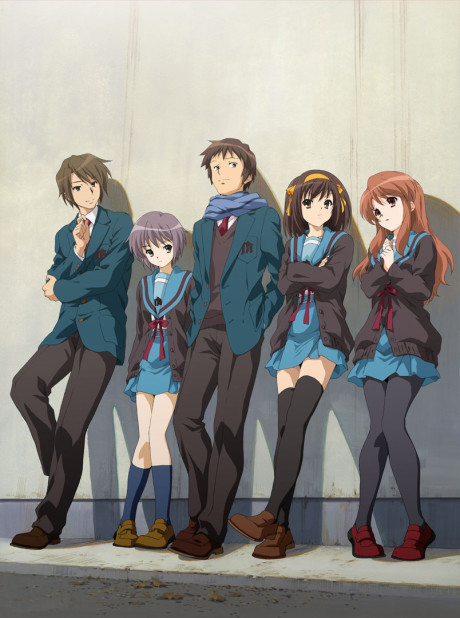
The Disappearance of Haruhi Suzumiya is KyoAni’s crown jewel — a nearly three-hour film that transforms a chaotic supernatural comedy into one of anime’s most profound meditations on choice, identity, and what makes life worth living. When Kyon wakes up in a world without Haruhi, without the supernatural chaos that defined his existence, the question isn’t whether he can get it back — it’s whether he wants to.
The film is a masterclass in atmosphere. The winter setting isn’t just backdrop — it’s emotional language. The cold, quiet, “normal” world feels suffocating precisely because we’ve come to love the chaos. KyoAni’s animation is breathtaking, with some of the most detailed and expressive character work in their entire filmography. Nagato’s vulnerability in this timeline is heartbreaking.
Kyon’s climactic choice — delivered in an iconic monologue that strips away his sardonic armor — is one of the most cathartic moments in anime. It’s the moment a passive observer chooses to be an active participant in his own messy, extraordinary life. That’s not just a plot resolution. That’s a thesis statement for living.